The Blue Cats’ website: https://www.thebluecats.com.sg/
The Blue Cats' Instagram: https://www.instagram.com/singaporethebluecats/
The MOU: https://edition.cnn.com/2026/06/17/middleeast/us-iran-war-mou-text-intl
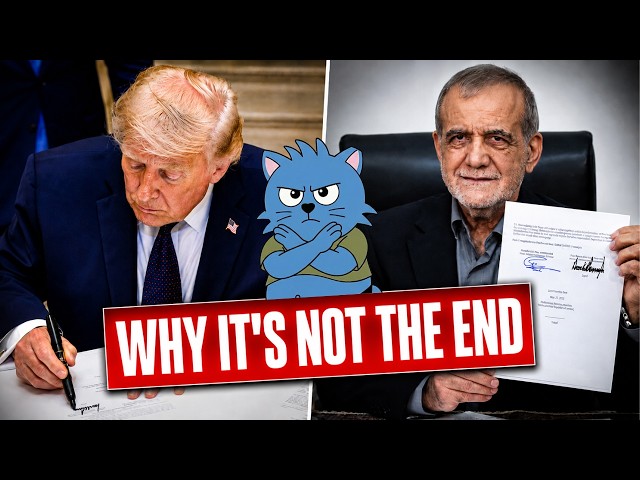
The agreement between the US and Iran is a Memorandum of Understanding rather than a full peace treaty. Reportedly only about one and a half pages long, it sets out 14 points that both sides agree to before negotiating harder details later. These include an immediate and permanent end to all military operations, including in Lebanon, mutual respect for sovereignty, and a commitment not to interfere in each other's internal affairs. The US will lift its naval blockade within 30 days and withdraw forces from areas near Iran within 30 days of a final deal, while Iran will allow free passage for commercial vessels through the Strait of Hormuz for 60 days. The US and regional partners will develop a plan worth at least $300 billion to rebuild Iran's economy and end sanctions, and the US Treasury will issue waivers permitting Iran to export crude oil and related services while unfreezing Iranian assets. In return, Iran agrees not to acquire nuclear weapons and to accept inspections. A 60-day clock applies for negotiating the final agreement, particularly on Iran's nuclear programme.
A signing ceremony had been expected in Switzerland on Friday, 19 June 2026, but the agreement itself was already signed by Trump and the Iranian President on Wednesday, 17 June 2026, with Iran stating it was already in effect. Switzerland's foreign ministry confirmed the planned Friday talks would not take place. Markets responded positively, with oil prices settling at their lowest level since early March and the Dow closing at a record high.
Several factors mean the agreement does not mark the end of the war. Israel was not part of the negotiations and its leaders do not consider themselves bound by the deal, with fighting in Lebanon continuing and Israel asserting its right to use force. Deep mutual distrust persists, with one Iranian official describing the agreement as built on active distrust. The US has called the deal performance-based, meaning Iran receives sanctions relief and funds only if it fulfils its commitments, and Trump has warned that the US could resume bombing if Iran fails to behave.
The war has lasted almost four months and included repeated talks. A temporary two-week ceasefire was agreed on 7 and 8 April, brokered mainly by Pakistan with help from China, followed by the highest-level direct talks since 1979 in mid-April, though the ceasefire was violated many times and various proposals were rejected. Trump extended the ceasefire on 21 April, while strikes continued, especially around the Strait of Hormuz. The 60-day window must still resolve major issues. The biggest is the nuclear programme, with the US seeking an end to uranium enrichment, the dismantling of nuclear sites, and possibly the handover of highly enriched uranium, alongside disagreement over the pause duration, with the US pushing for around 20 years and Iran unwilling to exceed 10. Iran has also signalled it intends to charge for use of the Strait of Hormuz after the 60-day free period, the US insists sanctions relief will come only gradually, and the question of Lebanon and Israel remains unresolved.





 English
 简体中文
简体中文
Comments
Leave a comment in Nestia App