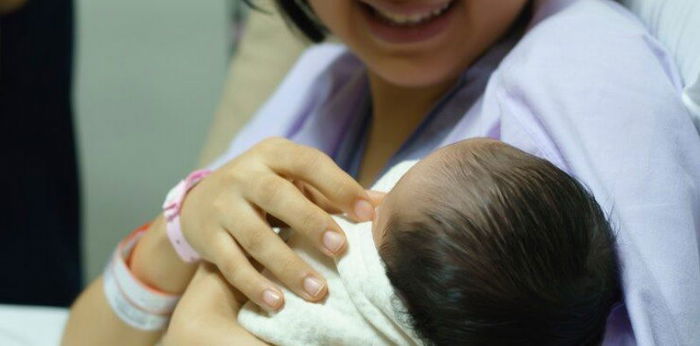
Get to know Spinal Anesthesia, Spinal Injection before Caesarean Delivery
Almost all pregnant women hope to give birth through natural or spontaneous labor. Unfortunately, in some cases, pregnant women are faced with several birthing options. For example, spinal anesthesia is used to reduce pain.
Pain during labor is caused by uterine muscle contractions, pressure on the cervix, pressure from the baby on the bladder and bowel, and stretching of the birth canal and vagina. Therefore, pain relief options include analgesics, local anesthetics, regional anesthetics , and general anesthetics. Doctors generally do not recommend these anesthetics for all pregnant women.
Regional anesthesia (also called epidural, spinal, or systemic anesthesia) is the most common and effective form of pain relief. Regional anesthesia significantly reduces or eliminates pain during childbirth. This type of pain relief is used during cesarean sections. It is administered by an anesthesiologist during labor to reduce discomfort. There are three types of regional anesthesia:
Epidural – a thin plastic tube or catheter is placed in the back, and medication can be administered through it if needed. The tube is left in place during labor. If a cesarean section is necessary, stronger doses of medication can be administered through the tube.
Spinal – most often used for planned cesarean sections . Local anesthetic is administered using a very fine needle in a single injection. This method works quickly and requires only a small amount of anesthetic.
Combined Spinal-Epidural (CSE) – a combination of the two above. The spinal epidural numbs you quickly but can also be used to provide more anesthesia if needed.
So, what exactly is spinal anesthesia? And what are its benefits and side effects? Read on for the explanation below!
Table of Contents
Benefits of Spinal Anesthesia during Childbirth
When Is Spinal Anesthesia Needed?
How Long Does This Anesthesia Take to Work?
How is it Different from Epidural Anesthesia?
As the name suggests, anesthesia is a painkiller. Meanwhile, spinal means the spine. Thus, spinal anesthesia is a procedure that administers drugs to a part of the body to block or eliminate pain. They are administered through injections in or around the spine.
Generally, some surgeries require general anesthesia. This is where the anesthesiologist administers medication to the patient, usually through an intravenous (IV) cannula, to induce sleep. The patient is unconscious, still, and numb to pain during the operation.
During spinal anesthesia, a very fine needle is inserted into the center of the lower back and a local anesthetic is injected through the needle into the fluid surrounding the spinal cord. The local anesthetic numbs the nerves supplying the abdomen, hips, lower back, and legs. Once the nerves are completely numb, the patient will not feel any pain from the surgery and will not be able to move the legs. Other medications may also be injected to provide excellent pain relief for several hours after surgery.
A breathing tube is inserted after the patient is asleep so that breathing can be controlled during surgery. Once the surgery is complete, the anesthesiologist allows the patient to wake up.
The following are the advantages of getting spinal anesthesia, namely:
Less risk of chest infection after surgery.
There are no adverse effects on the lungs and breathing.
Excellent pain relief immediately after surgery.
Reduced need for strong painkillers that can cause nausea, vomiting, confusion, and constipation.
No hangover effect
Less risk of loss of consciousness after surgery, especially in elderly patients.
Able to eat and drink more quickly after surgery.
Spinal anesthesia in pregnancy differs from spinal anesthesia in non-pregnant patients in several ways. A smaller dose of local anesthetic is required for spinal anesthesia in pregnancy, and distribution in the cerebrospinal fluid (CSF) is less predictable.
Waktu terbaik untuk memberikan anestesi regional bervariasi tergantung pada respons ibu hamil dan janin terhadap persalinan. Biasanya, anestesi ini diberikan pada ibu yang akan menjalani operasi caesar. Jika Bunda meminta anestesi regional, penyedia layanan kesehatan akan menghubungi ahli anestesi dan bersama-sama mereka akan mendiskusikan dengan risiko, manfaat, dan waktu anestesi regional.
Selain memacu ibu hamil untuk melahirkan, anestesi ini juga dapat diberikan pada pasien yang menjalani operasi urologi (prostat, kandung kemih, atau organ reproduksi), operasi ortopedi (operasi tulang di pinggang dan kaki), operasi ginekologi (pengangkatan miom), atau operasi umum (hernia dan ambeien).
It’s important to note that there’s one thing you shouldn’t take into account when it comes to the spine: differences in risk factors. Generally, some types of anesthesia affect the central nervous system, cardiovascular system, and respiratory system. However, some have side effects, such as:
You will receive IV fluids, and your blood pressure will be closely monitored and managed to prevent this from happening.
The medication may cause itching in some areas of the body. If the itching is bothersome, an anesthesiologist can treat it.
Confusion and headache are common side effects experienced by some patients who receive anesthetic injections. Drinking fluids and taking painkillers can help relieve headaches after anesthesia. If the headache persists, notify your anesthesiologist, and other medications may be prescribed.
While reactions to local anesthetics are rare, they can be serious. Be sure to tell your anesthesiologist if you experience dizziness or ringing in your ears so they can quickly address the issue.
In addition, research published in the journal StatPearls shows other side effects of spinal anesthesia, namely:
Back pain
Injection headache
Nausea, vomiting
Hypotension or low blood pressure
Freezing
Difficulty urinating
Stiff neck
Low frequency hearing loss
Neurological injury
Spinal hematoma
Arachnoiditis or a progressive inflammatory disorder that affects the membranes surrounding the brain and spinal cord
Transient neurologic syndrome (especially with lidocaine)
Total spinal anesthesia (the most feared complication).
This spinal anesthetic begins working immediately after the medication is injected. Pain relief lasts approximately 2.5 hours. If your labor is expected to last longer than this, an epidural catheter will be inserted to deliver medication to continue your pain relief as long as necessary.
When administering spinal anesthesia, the first 5-10 minutes are critical for monitoring cardiovascular responses and blood pressure levels. Temperature changes are the first to occur, allowing the anesthesiologist to reposition the patient if necessary.
Partner Stories
Woman Delivers Her Own Baby In Remarkable C-Section Birth
Mum seeks apology after baby's head is injured with a hook in traumatic birth
How Can You Tell If You're Going Into Labour?
A Pampered Stay at Mount Elizabeth Hospital Maternity Ward
The difference between epidural and spinal anesthesia lies in the injection location.
Spinal anesthesia is administered through the spinal cord and nerves as cables suspended in a long tube (called the dural sac) filled with cerebrospinal fluid.
Meanwhile, the space surrounding the umbilical cord is the epidural space (the outer part of the spinal cord below the back), which contains spinal nerve roots, tissue, fat, and blood vessels. This is where epidural anesthesia is administered.
So, that’s an explanation of spinal anesthesia, which may be needed during labor. We hope this information is helpful, Mom!
***
How Are a Spinal Block and an Epidural Different?www.healthline.com/health/epidural-vs-spinal
Pregnancy: Epidurals & Pain Relief Options During Deliverymy.clevelandclinic.org/health/articles/4450-pregnancy-epidurals–pain-relief-options-during-delivery
Spinal Anesthesiawww.ncbi.nlm.nih.gov/books/NBK537299/
Spinal anaestheticwww.healthdirect.gov.au/surgery/spinal-anaesthetic
Republished with permission from theAsianParent Indonesia
……Read full article on theAsianparent - Becoming A Mum
Health Singapore

One-stop lifestyle app dedicated to making life in Singapore a breeze!




 English
 简体中文
简体中文
Comments
Leave a comment in Nestia App