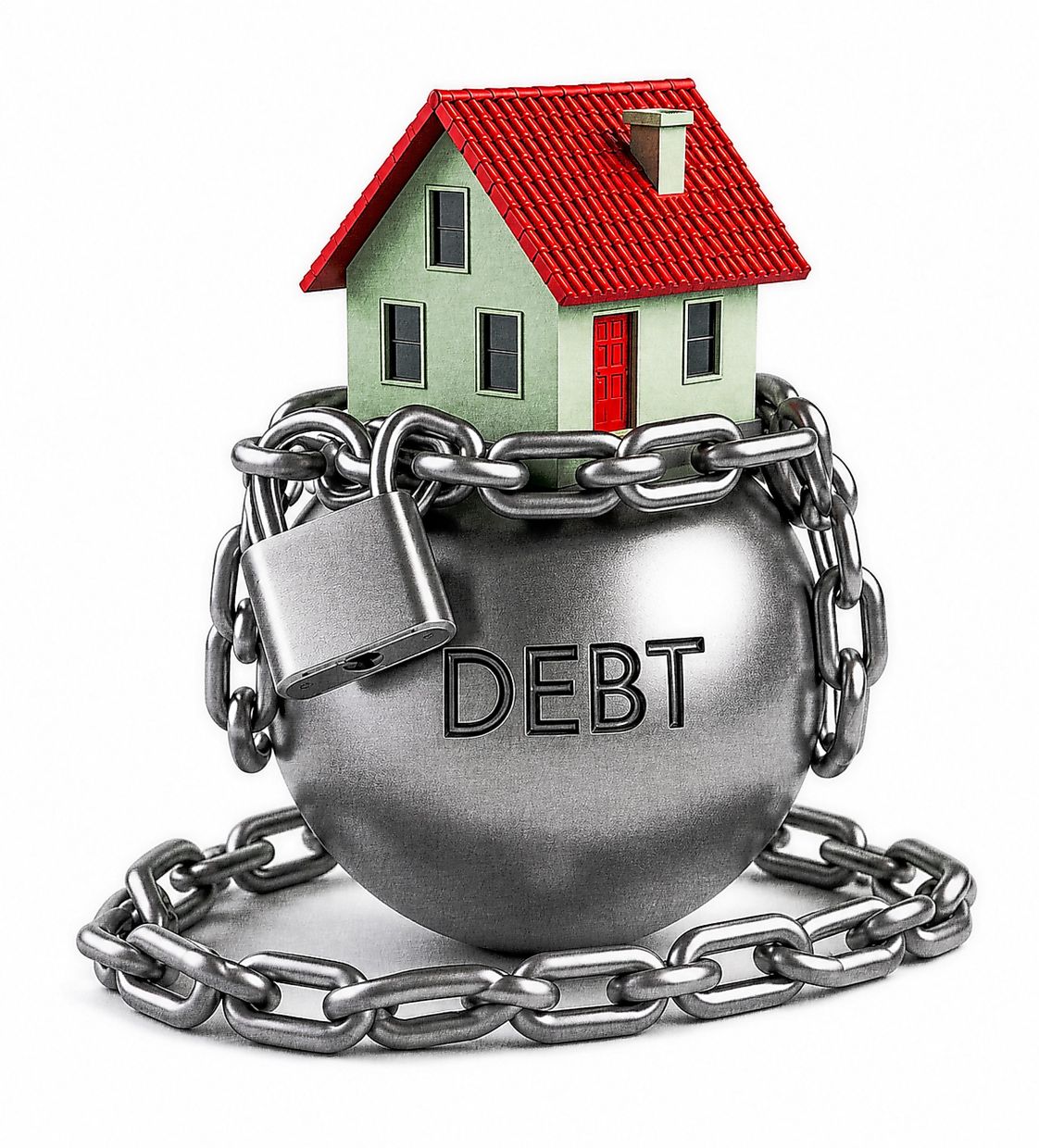
Higher income vital to tackle debt
LET’S be honest about Malaysians’ spending habits.
Malaysian households have built up such high debt levels over the years that it is now imperative that measures to alleviate such debt become important.
Household debt to gross domestic product (GDP) is now at 84.4% and that ratio is just behind Thailand – 85.9% – regionally.
The household debt-to-GDP ratio in the United States, the world’s largest economy, is 60.3%.
The saving grace is that much of the household debt in Malaysia is concentrated in housing and car loans.
Reports have shown there are sufficient financial assets to back up that debt, but concerns remain nonetheless.
The high debt level not only presents a risk to households and the economy if there is an economic shock, but also puts a cap on growth that is increasingly becoming consumption-driven.
To alleviate the pressure of debt, the government has worked with banks to introduce a no-frills credit card.
The credit card carries a lower annual interest rate of 14% compared with the 18% a normal credit card bears.
Cardholders will not be charged an annual fee and there will be free balance transfers from existing credit card debt.
Total credit card debt in Malaysia as of May 2026 was at RM49.2bil, which is just off an all-time high.
Housing loans totalled RM904.2bil and loans for cars totalled RM217bil.
Both loans to buy houses and cars are at an all-time high. With personal loans amounting to RM120.5bil, also a record, the strain on Malaysians is palpable.
Credit is so freely available that buy now pay later (BNPL) debt is growing fast.
Such debt was at RM5.3bil at the end of March and although minuscule compared with overall debt, it has grown fast and is now more predominant among the younger crowd.
In a report, BNPL overdue debt is said to be worth RM181mil but 3.4% of outstanding balances. People under the age of 30 account for around 40% of such debt, but the worrying thing is that such debt is generally used to buy low-value everyday goods.
If people have to resort to using BNPL to buy their groceries, then we really have a big problem.
Credit growth in Malaysia has outpaced income growth in the recent past and the continued rise in indebtedness means that it will soon translate to other conditions.
Malaysians are already complaining that the cost of living has become a big issue.
When income rises at a slower pace than debt, then affordability will become a problem.
Higher incomes are necessary for any growing family and the economy. But with wage growth and wage share of GDP struggling to keep pace, the economy can stall.
The low interest rate environment has fuelled the rise in debt, but now, the strains are emerging.
Property sales have cooled down in the past couple of years. Prices are still up marginally but transactions have slumped.
In the first quarter of financial year 2026, transactions were down 8% year-on-year.
As a result of lower transactions, property developers have also pulled back on launches. Reports indicate that new launches dropped significantly last year, down nearly 32% in the first nine months of last year.
That drop will mean that the average age of a Malaysian home owner is approaching the late 30s or early 40s compared to the late 20s decades ago when household debt and home prices were not a problem.
Car sales, on the other hand, were up marginally in the first half. The 3% rise isn’t much but a welcome boost for the industry. But with the national makes accounting for 67% of sales and the traditional foreign best sellers having a fight on their hands from China-made models, the issue of the price point becomes more relevant.
As household debt levels rise, especially faster than income, people will feel stretched. Money will become tight and savings for a rainy day or investing for the future will not seem as important as everyday struggles.
This can put undue strain on the government to increase its welfare payments to the general public. Continued petrol subsidies and welfare payments for people to buy everyday goods will only compound the strain on government finances.
Studies have shown that an increase in household debt lowers GDP in the long run. Furthermore, it exposes households to larger volatility in the event of an economic downturn.
That is why household debt needs to be brought under control and the best way to handle this is by increasing household incomes at a faster pace than debt.
……Read full article on The Star Online - Business
Entertainment Malaysia

One-stop lifestyle app dedicated to making life in Singapore a breeze!




 English
 简体中文
简体中文
Comments
Leave a comment in Nestia App