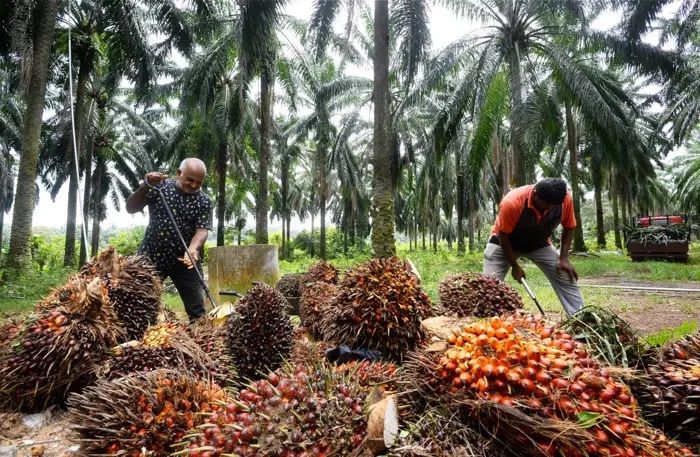
Monsoon may ease ‘super El Niño’ potential impact on palm oil output
KUALA LUMPUR: The upcoming monsoon season in December is expected to help mitigate the potential impact of a Super El Niño weather phenomenon on Malaysia’s palm oil production, said Malaysian Palm Oil Council (MPOC) chief executive officer Belvinder Sron.
She said the impact of El Nino on palm oil output is typically felt after a time lag of nine to 12 months.
"The previous Super El Nino occurred in 2015, and Malaysia’s palm oil production fell by 13 per cent or 2.6 million tonnes in the following year. In 2026, dry weather conditions developed relatively late in the year compared with 2015.
"Therefore, rainfall between September and November will be critical in determining the severity of the dry conditions and the extent of El Nino impact on Malaysia’s palm oil production in 2027,” she told Bernama.
Belvinder said the impact of El Nino across Southeast Asia has been uneven in 2026, noting that in Indonesia, weather conditions have turned drier since late June, particularly in Sumatra and Kalimantan, while Malaysia has yet to experience critical dryness, although temperatures have been rising.
She said in the near term, drier weather can improve harvesting efficiency and the transportation of fresh fruit bunches (FFB) to mills by improving field access and reducing disruptions caused by flooding.
"However, the bigger risk comes from prolonged dryness lasting more than three consecutive months. Lower rainfall, higher temperature and declining soil moisture could stress oil palm trees, eventually reducing FFB production and oil yields after a time lag of nine to 12 months.
"Lower FFB availability, combined with a stable demand, would lead to a decline of palm oil inventories and tighten overall supply,” she said.
CPO Prices to remain bullish
On crude palm oil (CPO) prices, she said CPO futures on Bursa Malaysia Derivatives had risen above RM4,900 per tonne by mid-August, while 2027 forward contracts were trading above RM5,000 per tonne, reflecting growing market concerns over the potential impact of El Niño.
However, the current bullish momentum in palm oil prices goes beyond El Niño, mainly due to geopolitical tensions which are also providing support to the broader vegetable oil market, said Belvinder.
"Disruptions to shipping in the Red Sea and reduced traffic through the Strait of Hormuz have kept crude oil prices elevated above US$80 per barrel.
"The timing of these supply concerns, ahead of India’s Diwali restocking season, is providing additional support to the vegetable oil market, including palm oil,” she said.
Furthermore, she noted that Indonesia’s palm oil demand for B50 biodiesel blending could also strengthen further as the three-month transition period to clear the remaining B40 biodiesel stocks ends in September.
According to Belvinder, strong domestic biodiesel demand in Indonesia, combined with uncertainty over palm oil production dynamics in 2027, has heightened market concerns over export availability next year.
"Against this backdrop, palm oil prices are projected to remain above RM4,600 per tonne in September, with the possibility of remaining above this level through the rest of the year.
"Malaysian palm oil production typically peaks in September or October before entering a seasonal downtrend in the fourth quarter,” she added.
On Aug 18, Malaysian Meteorological Department director-general, Dr Mohd Hisham Mohd Anip told Bernama that the likelihood of El Niño reaching the ‘very strong’ or ‘Super El Niño’ category between October and December has risen to more than 90 per cent. - Bernama
……Read full article on The Star Online - Business
Entertainment Malaysia

One-stop lifestyle app dedicated to making life in Singapore a breeze!




 English
 简体中文
简体中文
Comments
Leave a comment in Nestia App