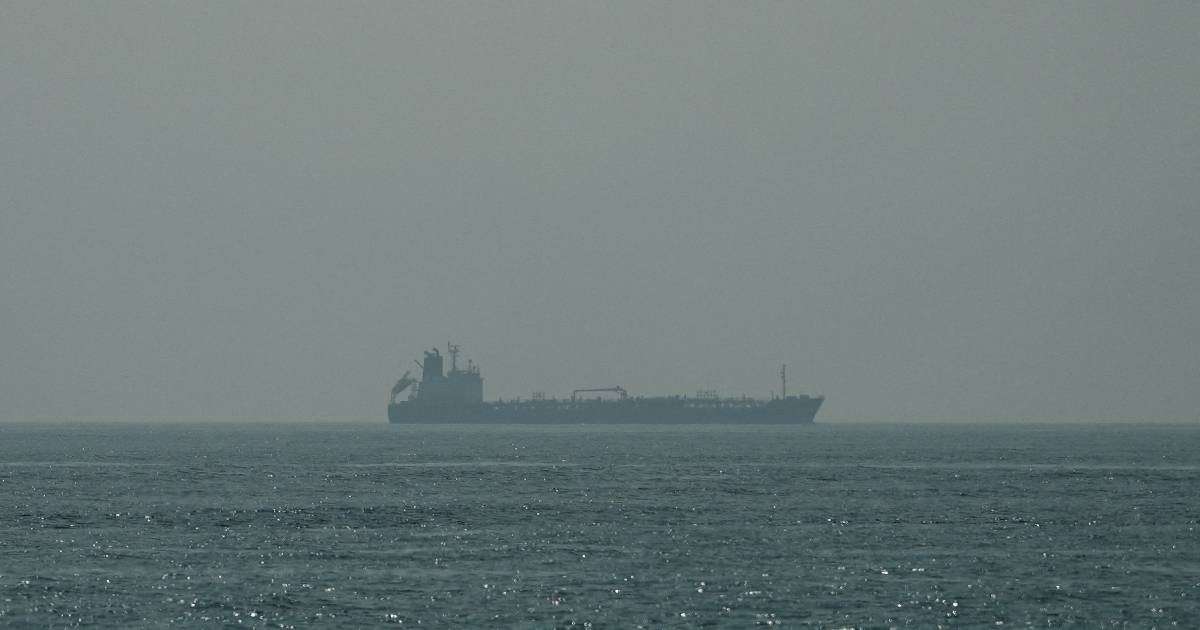
Oil rebounds after Trump rejects Iran peace deal
SINGAPORE — Oil prices rebounded more than one per cent on Monday (Sept 28) after US President Donald Trump rejected a peace deal from Iran to resolve their conflict and reopen the Strait of Hormuz, keeping tensions in the Middle East elevated.
Brent crude futures rose US$1.32 (S$1.69), or 1.27 per cent, to US$105.64 a barrel by 12.36am GMT (8.36 am SGT) while US West Texas Intermediate crude was at US$93.11 a barrel, up 70 cents, or 0.76 per cent.
Iran announced a peace proposal last week at the UN General Assembly in New York, saying it had been transmitted to the Americans via Qatari mediators. Trump said on Saturday he rejected the plan, but told Axios in a phone interview on Sunday that he expected US negotiators to engage in more talks this week.
"Geopolitical risks remain elevated, as the Houthis and Iran continued their attacks on Saudi Arabia, leaving regional supply flows vulnerable," ANZ analysts said in a note.
Yemen's Saudi-led coalition said early on Saturday it had intercepted two ballistic missiles and two drones launched by the Iran-backed Houthis towards the kingdom.
Brent edged up 0.4 per cent last week but WTI lost 7.9 per cent on concerns that the US may ban diesel exports to ease record prices which could curb US refining output.
"Refined oil products remain a pressure point, with record US diesel prices intensifying inflation risks and prompting renewed debate over potential export curbs," ANZ analysts said.
Any restriction on US diesel exports would tighten supply outside the US, with European prices reacting to the prospect of reduced American supply, they added.
Meanwhile, crude oil exports from key Middle East producers rebounded in September to 12.8 million barrels per day, the highest since the war started in February, preliminary data from Kpler showed on Monday, as Saudi Arabia and the UAE boosted exports.
The rebound came following a recovery in shipments via the Strait of Hormuz, which were set to hit about 7.4 million bpd this month, the data showed, as Saudi Arabia diverted exports from the Red Sea port of Yanbu to its eastern Ras Tanura port following attacks that damaged its East-West pipeline.
[[nid:746030]]
……Other

One-stop lifestyle app dedicated to making life in Singapore a breeze!




 English
 简体中文
简体中文
Comments
Leave a comment in Nestia App