Business Enquiries: https://www.business.thebluecats.com.sg/
The Blue Cats' Instagram: https://www.instagram.com/singaporethebluecats/
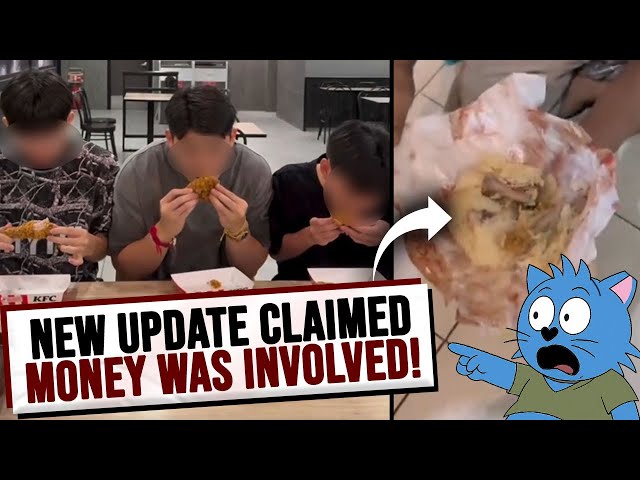
In early August, a group of Malaysian influencers landed in controversy after uploading a video of themselves eating KFC fried chicken, leaving only the bones, and then giving those bones, mixed with rice, to a homeless man. To make it worse, they licked the bones clean before wrapping the food and waking the man to hand it to him, all while filming. The video sparked immediate outrage online, not just for the act itself but for the apparent self-congratulatory tone.
Following the backlash, the main influencer removed the video and issued an apology, revealing that the scene had been staged. According to him, the homeless man had agreed to act for the video and was later given actual chicken and rice, but later reports reveal otherwise.
However, the damage was done, and Malaysian authorities launched an investigation. Officials stated that creating and sharing content that exploits vulnerable groups for cheap entertainment is taken seriously, and the influencers could face charges under Section 233 of the Communications and Multimedia Act, which carries a fine of up to RM500,000, two years’ imprisonment, or both.
The incident has reignited debate over “performative kindness” online: acts done for the camera rather than genuine compassion. While such videos may appear heartwarming, many are staged or provide only temporary help, failing to address underlying issues. Giving food, money, or clothing might look good on social media, but it doesn’t necessarily improve someone’s long-term situation. Real kindness involves understanding a person’s needs and connecting them with services or opportunities that can create lasting change.





 English
 简体中文
简体中文
Comments
Leave a comment in Nestia App